

New Blood Test Boosts Endometriosis Detection Rates
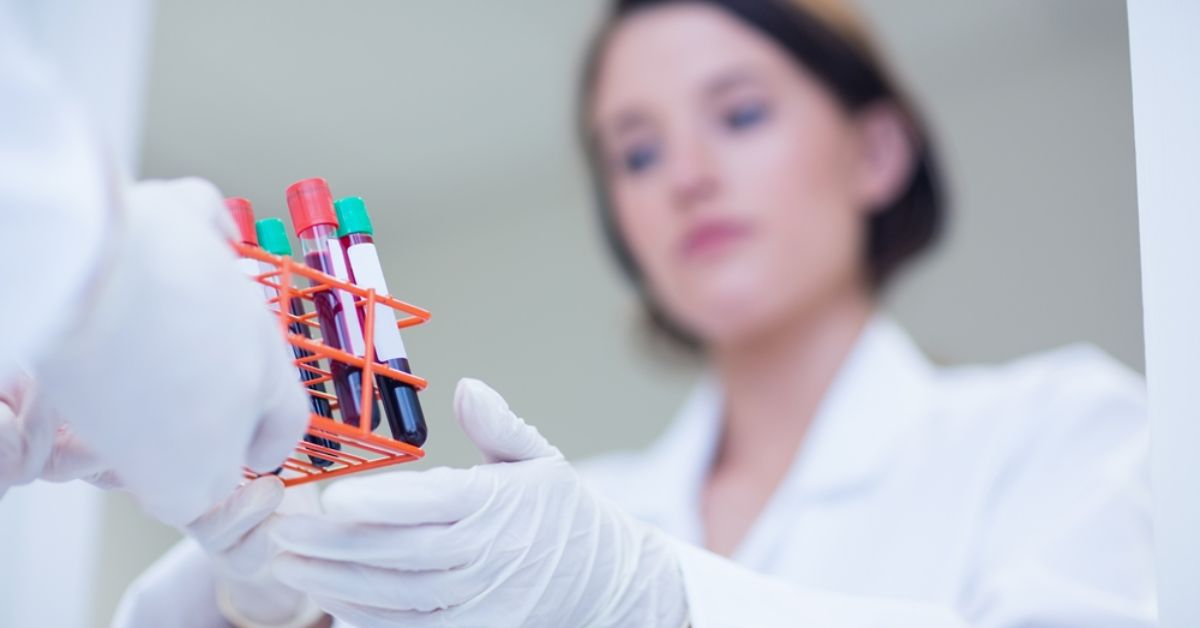
A new endometriosis blood test is identifying the cases of the painful uterine condition which ultrasound and MRI tests often fail to detect. This week scientists will report such findings at a medical conference.
The endometriosis is a condition that occurs when the tissues such as the uterine lining develop outside the uterus. It is prevalent in one out of ten reproductive-minded females and reflects in pain in the pelvis, abnormal menstruation, painful intercourse, and digestive problems.
Endometriosis can require years to be diagnosed due to the fact that it is not always picked up by the imaging methods. At present, laparoscopic surgery is a gold standard of confirmation.
A total of 298 women in surgery were studied out of which 177 were confirmed to have endometriosis. The blood test was able to detect 80 percent of these instances correctly and eliminate the disease in 97.5 percent of those women not afflicted.
Breakthrough Blood Test Improves Diagnosis Accuracy
HerAnova Lifesciences developed a blood test that identified 61.5% of cases missed by imaging methods. The Journal of Minimally Invasive Gynecology published these findings, highlighting the test’s strong diagnostic potential.
Experts believe that this innovation would reduce the delays in the diagnosis. Early detection enables timely treatment and helps patients live better lives. Chief Medical Officer Farideh said that endometriosis remains poorly diagnosed and that patients urgently need improved diagnostic tools. The group will introduce comprehensive findings at a significant meeting at Las Vegas.
Scientists want to develop non-invasive methods of diagnosis. Hopefully, the test is going to be a revolution in the clinical assessment and the treatment of the disease.
Experimental ALS Drug Shows Promising Results
Meanwhile, a new experimental oral drug is showing potential in treating amyotrophic lateral sclerosis (ALS). The mid-stage clinical trial focused on evaluating the drug’s safety and long-term impact.
The study involved 68 participants who received either the drug PrimeC or a placebo for six months. Afterward, all participants continued with the treatment in a 12-month extension phase.
PrimeC combines an antibiotic with an anti-inflammatory agent. It targets key disease mechanisms such as neuroinflammation, iron buildup, and abnormal gene regulation.
Read : AI Degrees Rise: What It Means for Future Careers
Improved Outcomes and Future Research Plans
Although the main criterion of interest was not effectiveness, the functional outcome was better in patients who applied PrimeC, particularly in speech and swallowing impairments. The respondents had also registered a 64 per cent decrease in ALS related complications, such as hospitalization, respiratory failure, and other terrible incidents.
Furthermore, the treatment group showed lower levels of harmful biomarkers linked to ALS progression. This suggests the drug may help delay disease development.
Researchers are currently conducting a Phase 3 trial to further evaluate safety and efficacy, and they remain committed to delivering new treatment options for ALS patients worldwide.