

US Researchers Use Hybrid GMO Seeds to Boost Wheat Profits
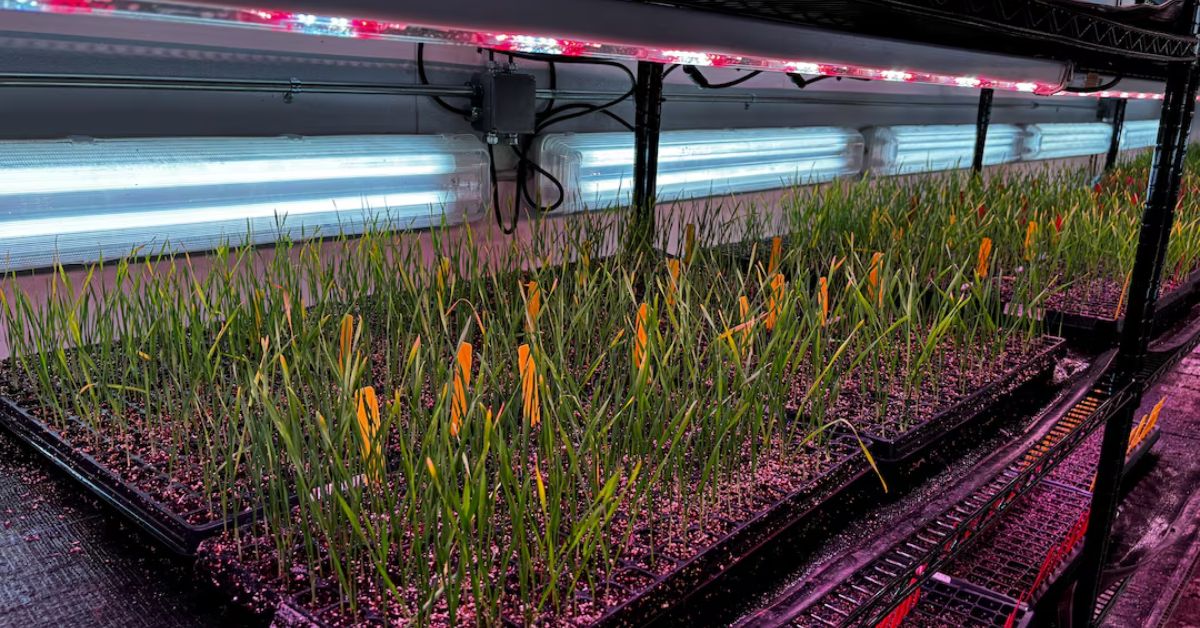
Researchers inside a regulated laboratory in Manhattan, Kansas are working on the experiment of modifying wheat plants with a sunflower gene, which enhances drought resistance. These activities underscore an increasing drive towards modernizing the wheat agriculture using state of the art biotechnology.
In Junction City, there are researchers who are also working on hybrid wheat seeds. Such seeds are tailored to produce greater and predictable yields, particularly with the increasing instances of drought in the U.S. agricultural areas.
Collectively, these inventions have the potential to transform the future of the U.S. wheat industry that is on its knees. The American wheat farmers have been pressured with falling demand and rising competition in the world market.
Contrary to other crops like corn and soybean, wheat has been playing behind in technological development. It has usually been planted by farmers as a crop rotation and not to make profits.
Hybrid and GMO Innovations Aim to Revive Wheat Farming
Genetically modified (GMO) varieties are likely to be available on American soil in a few years, whereas hybrid wheat is already becoming more accessible. This is an indicator of a change of direction of a crop which has failed to adapt to modernization.
The experts think that such developments would assist in making wheat farming profitable once again. Nonetheless, the problem of consumer distrust of GMO wheat is still a challenge in relation to other genetically modified crops.
Jon Rich of Syngenta pointed out that compared to other major crops, wheat has not been technologically developed. This has decreased the innovation and adoption of farmers.
Nevertheless, these obstacles have not deterred companies as they are spending a lot of money in research. This is aimed at matching the yield of wheat to other crops that perform well.
Declining Demand and Global Competition Pressure Farmers
Since 2017, the U.S has not been the largest wheat exporter in the world. Reduced consumption has been aided by changing dietary habits, such as the emergence of gluten-free diets.
Those at the forefront such as Jane DeMarchi have expressed concerns regarding a decline in demand. New nutrition principles also influenced the image of grain-based food.
The wheat has not been able to duplicate the technology that revolutionized corn production, known as hybrid seed technology. The complex genetics of this crop complicate and increase the cost of developing it.
A rise in DNA sequencing however, is aiding in cost reduction. Such companies as Corteva are now driving ahead with promising hybrid solutions.
Read : United Cuts Economy Seats for Bigger Premium Cabins
Future of Wheat Depends on Technology Adoption
Corteva claims its hybrid wheat can boost yields by up to 20%. Meanwhile, Syngenta has already begun limited sales of hybrid wheat seeds in the U.S.
Researchers are also exploring GMO wheat with traits like drought resistance and improved nutrition. These innovations could give farmers a competitive edge.
However, adoption depends on global acceptance. Major buyers like Japan and Mexico must approve GMO wheat before it can be widely commercialized.
Ultimately, the success of these technologies will determine whether wheat can regain its profitability. The future of the industry hinges on balancing innovation, market demand, and consumer acceptance.