

A Connected Approach to AI in Healthcare Innovation
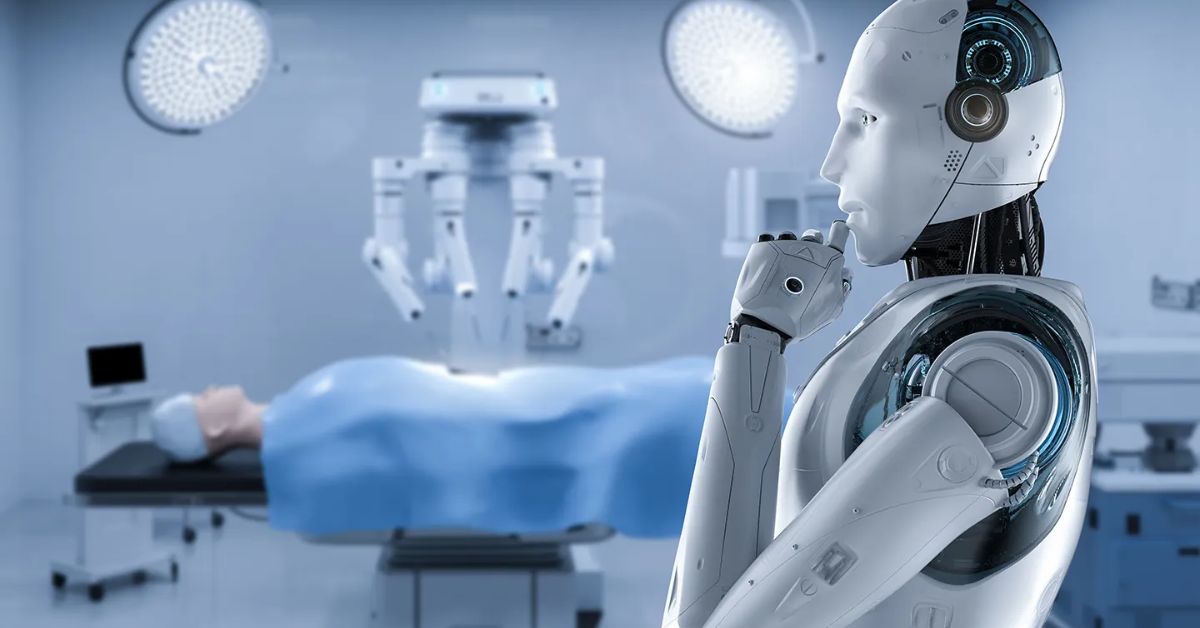
In healthcare, there is no one-size-fits-all solution. Just as patient care must be personalized based on individual needs, healthcare technology must also support better care delivery. Organizations now need tools that improve efficiency while maintaining quality care. This is driving rapid AI adoption across the healthcare sector.
As AI tools continue to grow, healthcare providers are under pressure to adopt solutions they can trust. These systems must fit securely into existing workflows without creating additional complexity. The main goal is improving operations while helping clinicians focus more on patients. Efficiency and patient outcomes remain top priorities.
Kenneth Harper of Microsoft explained that AI is no longer optional in healthcare. Organizations are now asking how quickly they can deploy AI tools safely across teams. They want solutions that reduce workload while improving decision-making. This shift is accelerating AI adoption across the industry.
Dragon Copilot Creates a Connected AI Ecosystem
To address these needs, Microsoft introduced Dragon Copilot as a unified AI-powered clinical assistant. The platform allows healthcare organizations to integrate partner-built apps and AI tools through Microsoft Marketplace. This creates a more connected digital ecosystem for clinicians. It also improves access to important healthcare solutions.
Dragon Copilot provides tools focused on revenue cycle management, clinical insights, and decision support. These solutions operate within a single secure environment trusted by healthcare providers. The platform helps reduce administrative workload and improves workflow efficiency. This allows clinicians to spend more time on patient care.
According to Harper, more than 100,000 clinicians across the country already use Dragon Copilot. This shows strong demand for connected AI solutions in healthcare. The system is helping reduce cognitive burden and operational complexity. It also supports safer and smarter care delivery.
Regard Improves Clinical Decision-Making
Regard is one of the AI tools integrated into Dragon Copilot. It helps clinicians analyze patient records and identify diagnoses that might otherwise be missed. This improves decision-making during critical care situations. Faster insights can lead to better patient outcomes.
Dr. David Kirk explained that electronic health records can become overwhelming during urgent cases. Important medical details are often buried in large volumes of data. This makes it difficult for clinicians to quickly see the full picture. AI tools like Regard help solve this challenge.
Regard reviews a patient’s complete medical history and surfaces the most relevant clinical information in real time. This enables doctors to make quicker and more informed decisions. It also reduces the risk of missed diagnoses during critical moments. The technology improves both speed and accuracy.
Read : Why Trendy Brand Identities Can Hurt Long-Term Growth
Connected AI Enhances Patient-Centered Care
Regard has already recommended more than 14 million diagnoses and is now used by clinicians across 150 hospitals nationwide. Its growing adoption highlights the strong value of AI in clinical care. These tools help improve healthcare quality and operational performance. They also support better patient outcomes.
Microsoft Marketplace also offers solutions like Canary and Humata. These tools assist with voice-based mental health analysis and faster prior authorization approvals. Each solution addresses specific healthcare challenges. Together, they create a stronger AI ecosystem.
By combining multiple AI tools into one workflow, Dragon Copilot helps healthcare systems automate documentation and access patient insights faster. This reduces administrative burden for clinicians. It also improves overall operational efficiency. Most importantly, it keeps patient care at the center of innovation.