

Novo Nordisk Cuts Wegovy Prices for Self-Pay Patients
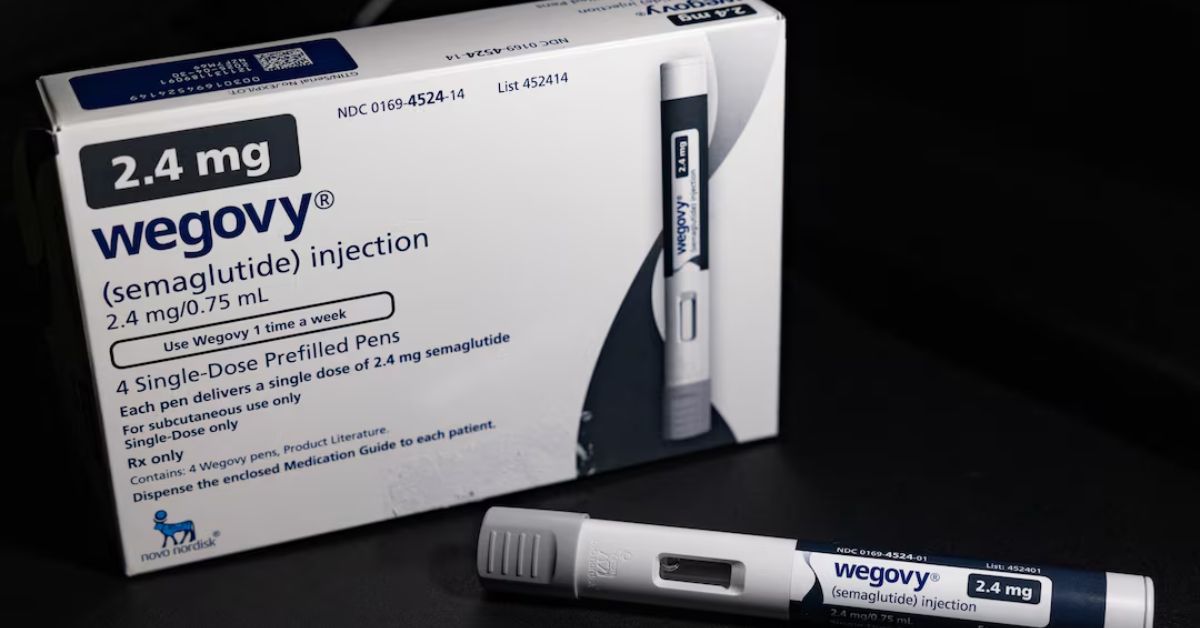
Novo Nordisk is launching a discounted subscription plan for its obesity drug Wegovy in the U.S. The initiative targets self-paying patients who seek more affordable treatment options. This move also reflects the company’s effort to stay competitive in a rapidly growing market.
The company is offering prices up to 30% lower than its standard monthly rate. This strategy comes as competition intensifies with Eli Lilly and its rival drug Zepbound. Both firms are aggressively expanding access to attract more patients.
At the same time, Novo Nordisk is shifting toward direct-to-consumer channels. Telehealth platforms are becoming a key distribution method for reaching patients. This approach helps simplify access and improve long-term treatment adherence.
However, analysts warn that deep discounts could impact profit margins. While lower prices may boost demand, they also create financial pressure. Companies must balance growth with profitability in this evolving market.
Discounted Subscription Model Expands Patient Access
The new subscription program allows patients to purchase Wegovy through telehealth platforms. These include Ro, WeightWatchers, and LifeMD, with more partners expected to join soon. This expands access beyond traditional healthcare channels.
Patients can choose from flexible plans of three, six, or 12 months. Longer subscription periods offer greater savings and more predictable costs. This structure makes it easier for patients to manage long-term treatment.
Monthly pricing ranges from $249 to $329 depending on the plan selected. These discounted rates are significantly lower than the standard price. This makes Wegovy more accessible to a wider group of patients.
The subscription model also encourages consistent usage of the medication. By simplifying payments, it reduces barriers to ongoing treatment. This approach aligns with modern healthcare consumption trends.
Patients Shift Toward Consumer-Driven Healthcare
Novo Nordisk executives say patients are increasingly acting like consumers. They expect transparent pricing, flexible payment options, and convenience. This shift is reshaping how healthcare services are delivered.
Telehealth platforms are playing a major role in this transformation. Patients prefer quick and easy access to consultations and prescriptions. Digital platforms offer a seamless experience compared to traditional methods.
Lower pricing also helps companies compete with compounded drug alternatives. These cheaper options have drawn patients away from branded treatments. By reducing costs, companies aim to retain their customer base.
Meanwhile, Eli Lilly continues to expand its own self-pay programs. Its pricing strategy for Zepbound offers competitive alternatives. This intensifies the battle for market share in the obesity drug sector.
Read : Samsung-Backed Rebellions Raises $400M Ahead of IPO
Rising Competition Reshapes Obesity Drug Market
The obesity drug market is experiencing rapid growth and fierce competition. Companies are investing heavily to capture demand and expand their reach. This has led to aggressive pricing and marketing strategies.
Regulatory developments could further impact the competitive landscape. New drug approvals may introduce additional choices for patients. This will likely increase pressure on existing market leaders.
Pharmaceutical companies are also adopting strategies from consumer industries. Direct sales and digital platforms are becoming essential tools. These methods help improve accessibility and customer engagement.
As the market evolves, companies must balance affordability with profitability. The ability to innovate while maintaining margins will be critical. This will determine long-term success in the competitive obesity treatment space.