

NYU and SUNY Partner to Track Higher Ed Reforms
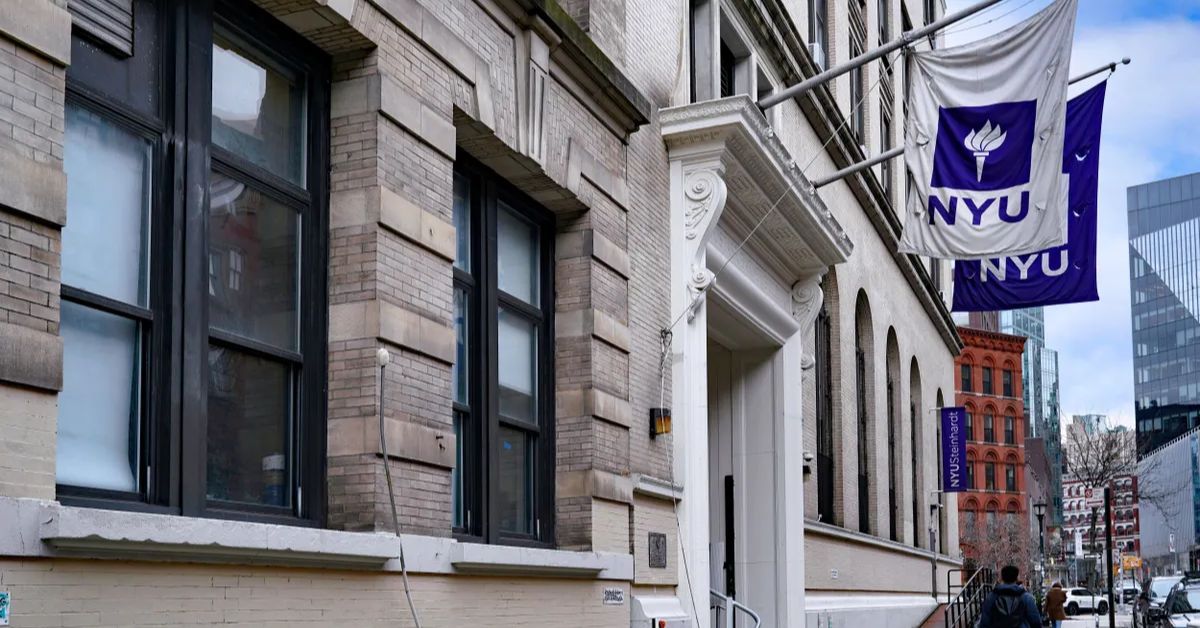
New York University President Linda G. Mills and State University of New York Chancellor John B. King Jr. say higher education institutions must adapt to a rapidly changing world shaped by economic uncertainty, artificial intelligence, and evolving workforce demands.
They argue that the traditional path of earning a degree and securing a stable career no longer guarantees the same outcomes for graduates. Rising education costs, changing labor markets, and declining trust in institutions have created new challenges for students entering adulthood today.
At the same time, artificial intelligence is transforming industries by automating many entry-level tasks that once helped graduates build workplace experience. Employers are increasingly prioritizing adaptability, communication skills, and critical thinking over technical expertise alone.
These shifts have contributed to growing anxiety among Gen Z students, many of whom feel uncertain about long-term career opportunities in a rapidly evolving economy.
Higher Education Faces New Workforce Challenges
Despite these concerns, NYU and SUNY leaders believe colleges and universities still play a critical role in preparing students for future success. They emphasize that higher education continues to improve career opportunities and long-term earning potential for graduates.
However, the institutions say students now expect universities to offer more than economic value alone. Young people increasingly seek learning experiences that help them navigate social change, collaborate across differences, and succeed in unpredictable professional environments.
The universities also recognize the need for evidence-based reforms rather than relying on outdated educational assumptions. Leaders say colleges must continuously evaluate which teaching models and student experiences truly prepare graduates for modern careers.
This focus on measurable outcomes has become more important as universities respond to changing expectations from both employers and students.
NYU and SUNY Launch Joint Higher Education Design Lab
To address these challenges, NYU and SUNY are launching a new Higher Education Design Lab aimed at studying and testing education reforms. The initiative will analyze how different academic models and interventions affect student success and long-term career readiness.
The partnership brings together the nation’s largest private research university and the largest public university system in the United States. Together, the two institutions enroll hundreds of thousands of students across diverse academic and geographic settings.
The new lab will focus on gathering real-world evidence about which educational strategies help students adapt, thrive, and succeed in changing work environments. Researchers will study both traditional and innovative approaches to higher education.
University leaders believe this data-driven approach can help institutions improve learning outcomes while preparing students for industries increasingly shaped by technology and automation.
Read : Kraft Heinz CEO Reveals Future Growth Strategy
Research Initiative Will Expand Across Campuses and Communities
The Higher Education Design Lab plans to study reforms across a broad range of campus environments, including both rural and urban schools, commuter campuses, residential universities, and global learning programs. Additionally, the initiative will examine how different educational models influence student success and career readiness.
Initial research efforts will begin within NYU and SUNY campuses, but the partnership plans to expand over time by involving additional universities, research centers, and government organizations.
The institutions hope the initiative will accelerate understanding of which educational practices best support students throughout their careers and personal lives. The goal is to create stronger pathways for graduates navigating an uncertain future.
By combining public and private university resources, the collaboration aims to shape a more adaptable and evidence-driven model for higher education in the years ahead.