

Starbucks Afternoon Traffic Rises Amid Turnaround Push
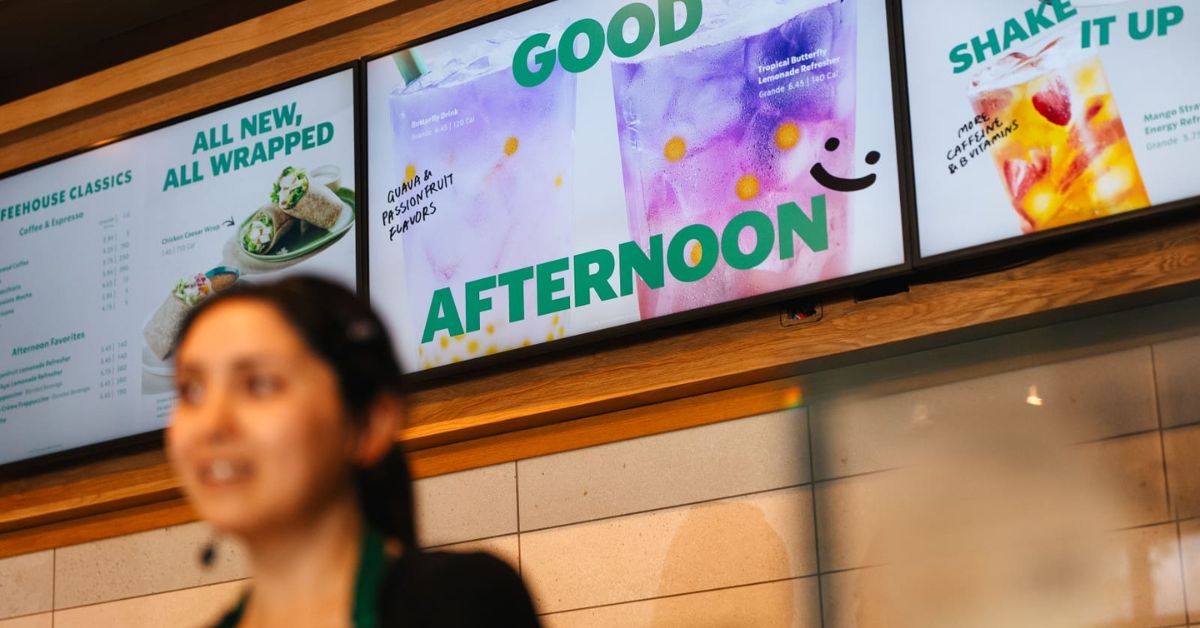
Afternoon traffic is becoming an important growth driver for Starbucks as the company continues executing CEO Brian Niccol’s turnaround strategy. The coffee chain reported stronger customer activity during the afternoon hours, especially between 3 p.m. and 5 p.m., according to recent company data.
The figures reflect customer trends across a 90-day period between February and May. Starbucks sees the growth as a positive sign that consumers are visiting stores for more than just their morning coffee routines. The company wants to build stronger engagement throughout the entire day.
Executives say afternoon visits are increasingly driven by customers looking for refreshing drinks, quick breaks, or casual coffeehouse experiences later in the day. The strategy is helping Starbucks diversify its customer traffic patterns beyond traditional breakfast hours.
Erin Silvoy said the company is seeing more consumers stop by stores in the afternoon for beverages and short breaks, adding that the morning business remains a strong foundation for overall sales growth.
Starbucks Expands Focus Beyond Morning Coffee Rush
Starbucks has identified the afternoon period as one of its biggest untapped growth opportunities. Historically, the company has underperformed some beverage and fast-food rivals during daytime hours outside the breakfast rush.
In a recent company update, Starbucks revealed that sales generated after 11 a.m. contributed approximately $11 billion in U.S. revenue during fiscal 2025. The numbers highlight the increasing importance of afternoon and evening traffic to the brand’s long-term growth plans.
A major contributor to this momentum is Starbucks’ Refreshers beverage platform. Executives say Refreshers have become the company’s second-best-selling beverage category after espresso-based drinks, helping attract younger consumers and afternoon customers.
The growing popularity of cold beverages and lighter drink options aligns with changing consumer preferences, particularly among customers seeking energy boosts and refreshing alternatives later in the day.
Brian Niccol’s Turnaround Strategy Gains Momentum
The afternoon traffic gains also support broader signs that Niccol’s turnaround strategy is beginning to deliver results. Starbucks recently reported stronger-than-expected quarterly earnings, easing investor concerns about slowing traffic and operational challenges.
The company’s customer traffic increased for the second consecutive quarter, while Starbucks shares have risen more than 20% year to date. Investors are closely monitoring whether the company can sustain its recovery under Niccol’s leadership.
Niccol has repeatedly emphasized the importance of building stronger afternoon sales opportunities. He believes Starbucks can significantly expand its “afternoon daypart” by offering more relevant beverages and snack options tailored to midday consumer habits.
In the restaurant industry, a “daypart” refers to a specific period of the day targeted with unique products, promotions, and customer experiences designed to maximize traffic and spending.
Read : AI Is Raising Productivity Expectations for Entry Jobs
Competition for Afternoon Beverage Customers Intensifies
Starbucks faces growing competition in the afternoon beverage market from rivals such as Dutch Bros and Dunkin’, both of which are expanding their cold drink and snack offerings.
Competitors are increasingly targeting consumers during post-lunch hours with energy drinks, iced beverages, and quick snack combinations aimed at driving repeat visits later in the day.
Andrew Charles said Starbucks’ menu innovation, digital menu boards, and marketing efforts will play a major role in attracting more afternoon customers. Operational improvements are also expected to support faster service and stronger customer experiences.
As Starbucks continues investing in beverage innovation and all-day customer engagement, the company hopes to strengthen its position as more than just a morning coffee destination. Early traffic trends suggest consumers are responding positively to the strategy.