

Unconventional Classroom Seating Boosts Focus and Learning
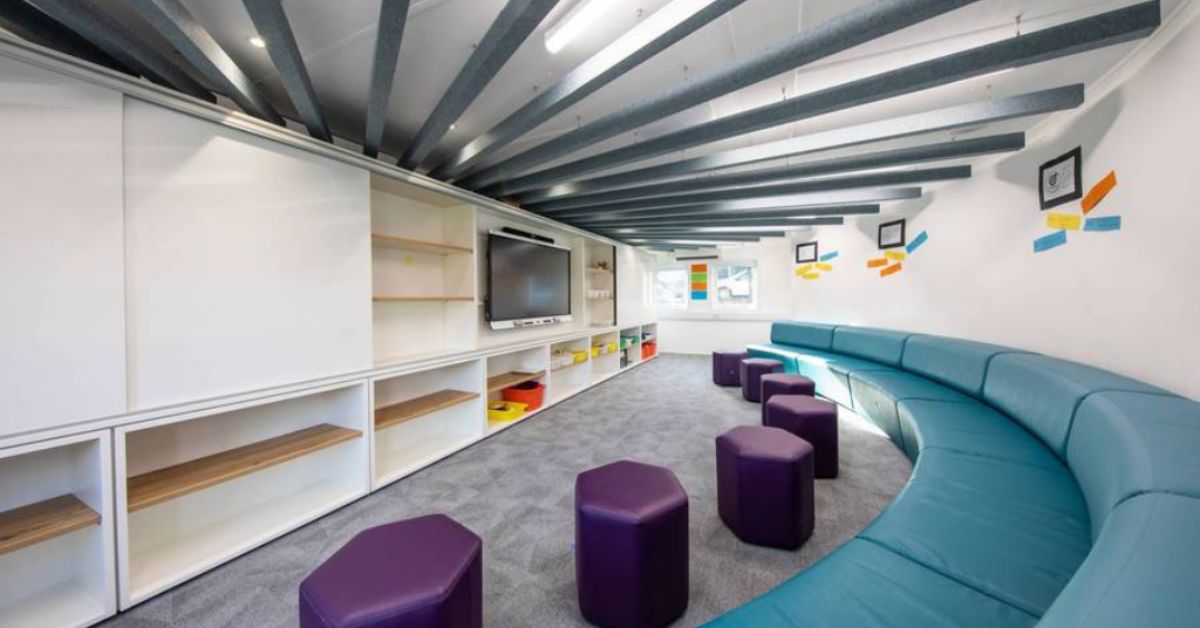
I was a compulsive rearranger of the Unconventional classroom. As often as every six weeks or so I looked to find a new desk set-up that could help in improving learning. After some time I came by a layout that proved to be so good that I continued using it throughout the year. It is then that I realized that I had found something of value.
The concept was inspired by an article on an Australian classroom design that revolves around three learning spaces, namely campfires, caves, and watering holes. These areas depict various learning requirements. Independent work is supported by caves. Informal collaboration can be done in form of campfires. Watering holes are places, which unite everyone to learn together.
The studies on flexible seating assist in the establishment of different learning areas. Such designs may however be hard to implement in secondary classrooms due to space and cost limitations. Having 34 desks in a comparatively small space I was concerned not about creating separate areas but by fitting everything in.
Rethinking Classroom Layout for Better Learning
I also had a desire to have a layout that did not involve too big too fast movements of students. In that case, the lessons would not be disrupted by the change of activities. The solution that I eventually developed was weird to look at.
The horseshoe arrangement was in the Unconventional classroom both along the outer walls and a smaller horseshoe within the classroom. Little spaces allow transporting students between sections. A couple of tables were in the centre of the room and two additional tables were introduced in the area of the front wall.
Since the classroom was tiny, I would take away the desk of the teacher to fit on an additional table. Teachers who cannot remove their desks can still use this design by simply adjusting the distance between seating areas.
The other important fact was that students sat on chairs other than their desks. This enabled them to turn or change positions with no problems. This layout might be more difficult to apply in the Unconventional classrooms that are based on fixed desk-chair arrangements.
Creating Flexible Learning Spaces Without Moving Furniture
This design does not have to move the furniture every time an activity is being carried out. Students just transfer themselves. Such minor modifications make the transitions quicker and simpler
Students work independently using the cave set-up. They are turned facing the horseshoe rows and this minimizes distractions and each student is provided with a clear workspace.
As an English teacher, I find this layout especially useful for independent reading, writing activities, and formal assessments. When not facing the peers, students become more focused. The design will stimulate silent and concentrated work.
Another positive aspect which has been unanticipated is improved classroom control in the digital age. Since students are facing outward, it is easy to see the screen and thus I am able to keep track of how they are using the device and dishearten distractions like phone under the carpet.
Read : Universal Robots Boosts Data Security in AI Automation
The Watering Hole: Bringing the Whole Class Together
The other significant benefit of this arrangement was that the students could easily move to whole-class learning. There was practically no effort necessary in going out of the cave set up into the watering hole set up. Majority of students did not move desks but turned chairs.
The mini-lesson, presentation, and class discussion setup was effective using the watering hole setup. The inner horseshoe desks were the workspace of students at the outer row. In the mean time, the students in the inner horseshoe turned around to the central tables.
The tactic that I employed in this transition was requesting the students to leave their devices on their original desks. This minimized the digital distraction as we concentrated on the lesson. It also assisted students to focus their attention to the collective learning experience.
The other advantage was the intimacy that the set-up generated. As the students switched to the watering hole arrangement, the students automatically moved closer to each other. This enabled me to make use of proximity better in classroom management and interaction.