

US Disrupts Global HIV and Malaria Supply Programs
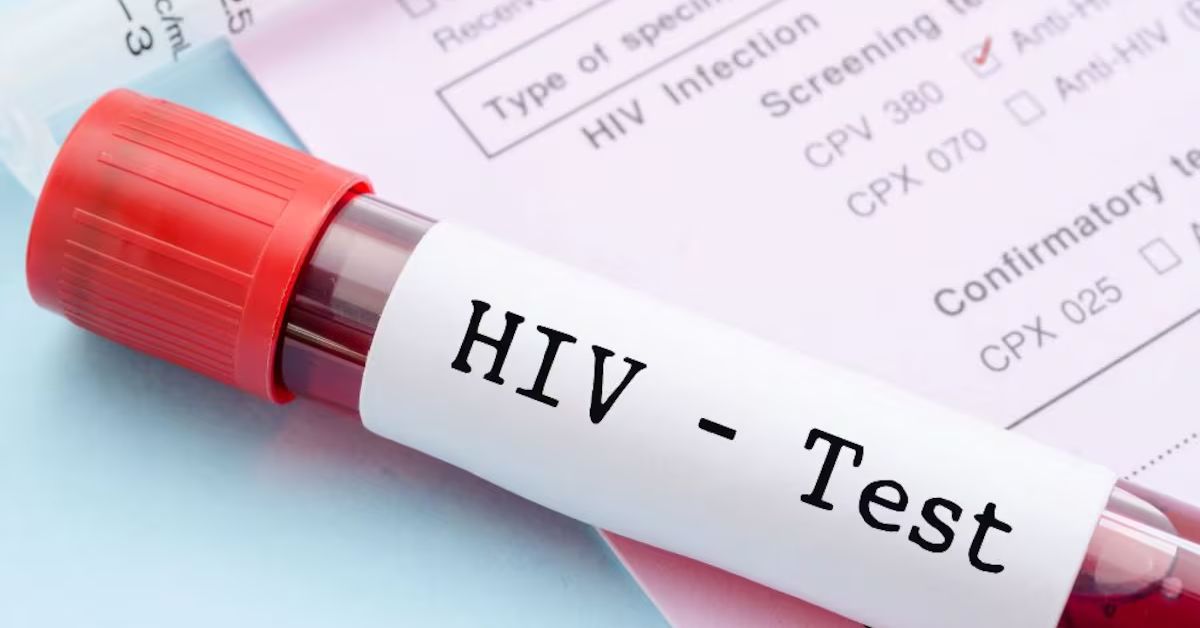
The United States is making major changes to how it delivers medical supplies for diseases like HIV and malaria to lower-income countries. This shift marks a departure from the long-standing Global Health Supply Chain Program. The new approach reflects a broader restructuring of foreign aid policies.
For years, the existing program distributed billions of dollars in life-saving medicines and supplies. It supported healthcare systems across Africa and Asia, especially in vulnerable regions. The program played a key role in combating infectious diseases at scale.
However, disruptions began when the Trump administration froze international aid. This move left essential supplies stranded in ports and warehouses. Although some services resumed later, uncertainty has continued to affect operations.
Now, the U.S. is transitioning toward a new model based on direct agreements with countries. This strategy aims to reduce reliance on contractors. It also seeks to reshape how aid is managed and delivered globally.
Rapid Policy Changes Raise Supply Chain Concerns
Health experts are increasingly concerned about the speed of these changes. A rushed transition could lead to shortages of critical medicines. This would directly impact millions of people who depend on these supplies.
Internal communications show that U.S. offices in several countries have been asked to stop current programs. However, there is no clear roadmap for the transition. This lack of planning increases the risk of service disruptions.
Delays in procurement and delivery could interrupt ongoing treatment programs. This may reverse progress made in controlling diseases like HIV and malaria. The stakes are particularly high in regions with limited healthcare infrastructure.
Experts are calling for a more gradual and structured transition. They emphasize the importance of maintaining continuity in life-saving services. Stability is essential to avoid further health crises.
Shift Toward Global Fund and Bilateral Agreements
The U.S. is exploring collaboration with the Global Fund to Fight AIDS, Tuberculosis and Malaria. This organization already manages large-scale procurement and distribution of medical supplies. It could play a bigger role in future aid delivery.
However, experts question whether a rapid transition is feasible. Delivering supplies to remote areas often requires long planning cycles. Compressing these timelines could create logistical challenges.
At the same time, the U.S. is increasing its focus on bilateral agreements. These agreements involve direct partnerships with individual countries. The goal is to improve efficiency and local accountability.
Despite these efforts, many details are still unclear. Some agreements face legal and operational hurdles. This uncertainty could delay implementation and affect outcomes.
Read : US Private Credit Faces Rising Defaults Amid Software Risks
‘America First’ Strategy Reshapes Global Health Aid
The changes align with the “America First” approach to foreign aid. This strategy focuses on cost efficiency and direct impact. It also aims to reduce dependence on large contractors.
Officials argue that the previous system was inefficient and costly. They believe the new model will better serve both taxpayers and recipient nations. However, critics remain cautious about the risks involved.
Recent disruptions have already caused shortages of malaria drugs and gaps in HIV prevention. These issues highlight the dangers of rapid policy shifts. Careful execution will be critical moving forward.
Ultimately, the success of this transition depends on balance. The U.S. must ensure efficiency without compromising reliability. The outcome will significantly impact global health systems and millions of lives.