

US Jury Rulings on Meta, Google Spark Liability Fight
In two of the largest trials in the U.S., jurors have ruled Meta and Google liable in cases concerning injuries to young people. These judgments would redefine the U.S. law on protecting tech companies against legal liabilities.
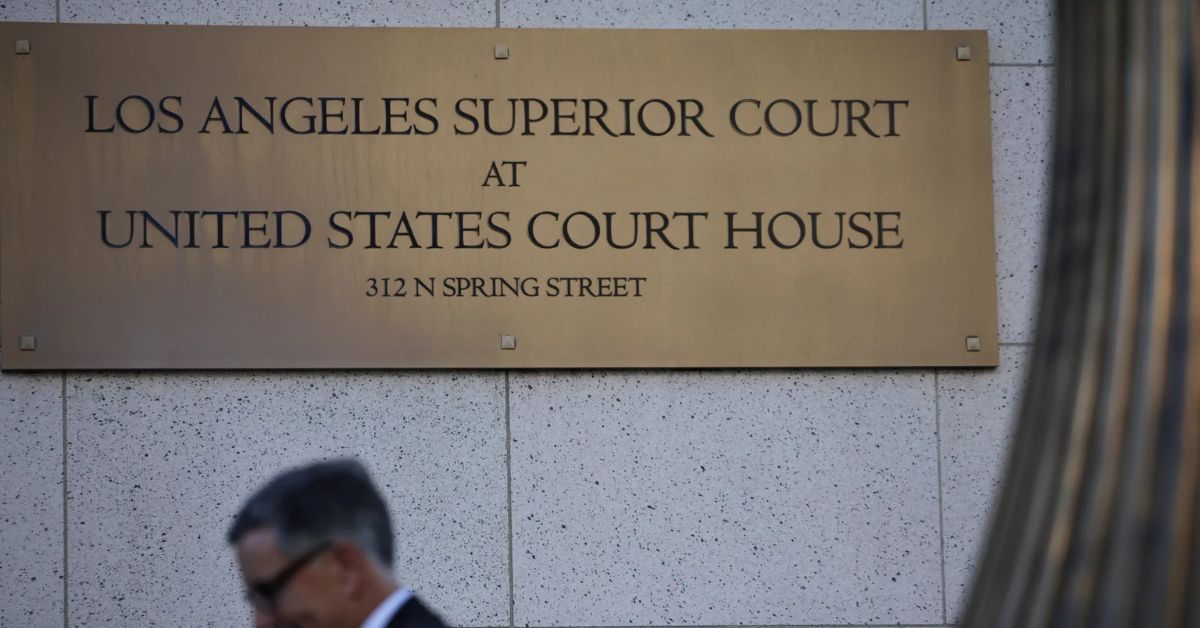
A Los Angeles jury in California awarded damages to the mental health issues of a young woman by declaring the two companies as responsible. The court ordered them to pay $6 million in damages for addiction to Instagram and YouTube.
In another case in New Mexico, Meta was fined to pay 375 million. Jurors determined that the company lied to users about the safety of the platforms and was not able to stop the exploitation risks.
The decisions had a direct economic impact. Investors reacted quickly, pushing down the stocks of both companies after the verdicts.
Landmark Verdicts Challenge Big Tech Legal Protections
These cases harm the old safeguards of Section 230 of the Communications Decency Act. This legislation has traditionally provided content protection to platforms in the case of user generated content.
Plaintiffs claimed that the content of the platforms did not cause harm, but platform design did. This difference enabled the courts to evade conventional law safeguards.
Courts according to legal scholars are changing the meaning of liability. More and more, judges are looking at the manner in which platforms are constructed and run.
Both companies have refuted malpractice. They argue that they have taken precautions to ensure the protection of younger users and will appeal the decisions.
Growing Legal Pressure on Social Media Giants
Meta and Google are not the only ones that are exposed to legal scrutiny. Snap Inc. as well as ByteDance are also addressing similar lawsuits with other platforms.
Thousands of cases have been brought before the courts of U.S. jurisdiction. Most of these cases of lawsuits are based on the premise that the design of the platform is one of the factors that lead to mental problems in teens.
Courts are starting to limit the scope of protections of Section 230. But no court of appeal has so far made any final decision on this emerging interpretation of the law.
This increasing flood of lawsuits has the potential to reorganize liability within the technology sector. Firms might be forced to re-examine their products and safety.
Read : US Researchers Use Hybrid GMO Seeds to Boost Wheat Profits
Supreme Court Could Redefine Section 230 Scope
The implications of these cases extend beyond social media. Legal experts believe future rulings could impact a wide range of online platforms.
For example, Roblox Corporation faces lawsuits over user safety concerns. Court interpretations of liability in the Meta and Google rulings could influence these cases.
The U.S. Supreme Court has shown interest in addressing Section 230. Although it has avoided ruling directly in past cases, pressure is building for a clear decision.
If the issue reaches the Supreme Court, it could set a nationwide precedent. Such a ruling could fundamentally change how courts hold tech companies accountable for user harm.