

Why Modular Data Centers Are Key to AI Growth
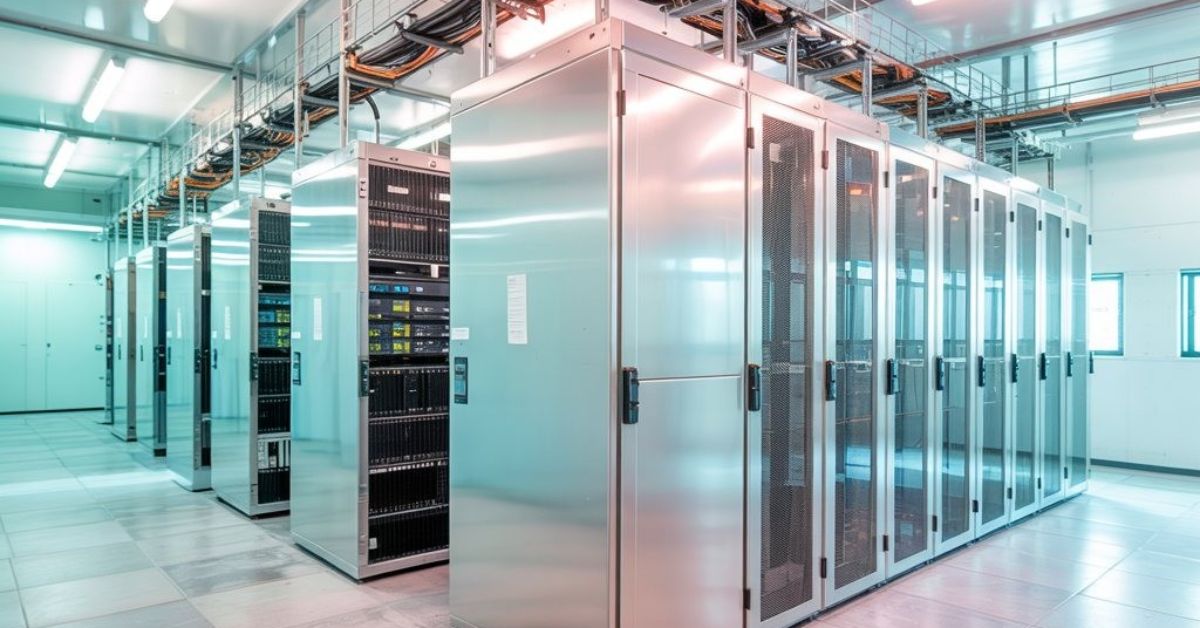
The rapid expansion of artificial intelligence is creating major infrastructure challenges. Technology companies have invested heavily in AI, expecting communities to welcome large data center projects. local resistance is growing. Many towns are questioning the long-term impact of these developments.
Communities are becoming increasingly concerned about the pressure data centers place on local resources. Residents worry about rising energy consumption, water shortages, and environmental effects. As a result, approval for new projects is becoming more difficult. Local governments are demanding greater accountability.
The conflict between AI growth and community interests continues to intensify. Large technology companies can no longer rely solely on economic incentives to gain support. Public opinion now plays a major role in project approvals. Sustainable development has become a priority.
Why Communities Oppose New Data Centers
Modern AI data centers consume significantly more electricity than traditional cloud facilities. High-performance GPUs require enormous amounts of power to process AI workloads. A single AI server rack can consume as much electricity as an entire city block. This places tremendous pressure on local power grids.
Water usage is another major concern for communities. AI facilities rely on large-scale cooling systems that consume millions of gallons of water each day. In drought-prone regions, this creates conflict with local residents and businesses. Water conservation has become a critical issue.
As environmental concerns grow, many communities are organizing against new data center developments. Residents want stronger regulations to protect local resources. Public opposition is slowing infrastructure expansion. Sustainable solutions are becoming increasingly necessary.
Aging Infrastructure Creates New Risks
Another challenge is the rapid pace of AI hardware innovation. New AI chips are introduced every 12 to 18 months with higher power and cooling requirements. Meanwhile, building a hyperscale data center often takes three to five years. This creates a significant technology gap.
By the time many facilities become operational, their original designs may already be outdated. Older buildings often cannot support advanced liquid-cooling systems or higher-density computing equipment. Expensive upgrades become necessary soon after construction. This reduces long-term profitability.
Technology companies risk creating billions of dollars in stranded infrastructure assets. Older facilities may become too costly to modernize or operate efficiently. Poor planning increases financial risk. Flexible infrastructure is becoming essential for future AI growth.
Read : How Bero Builds Success With Strategic Partnerships
Modular Data Centers Offer a Smarter Solution
Modular data centers provide a more adaptable approach to AI infrastructure. Unlike traditional facilities, modular designs can be upgraded as technology evolves. Organizations can replace or expand individual modules without rebuilding entire facilities. This improves long-term flexibility.
Modular designs also help reduce construction timelines and infrastructure costs. Faster deployment allows companies to support the latest AI hardware sooner. These facilities can better accommodate changing power and cooling requirements. Scalability becomes much easier.
As AI continues to evolve, modular data centers may offer the most practical path forward. They help reduce infrastructure obsolescence while improving operational efficiency. At the same time, they can lower environmental impact and better address community concerns. This approach supports more sustainable AI development.