

Data Centre Growth Boosts Battery Storage Role
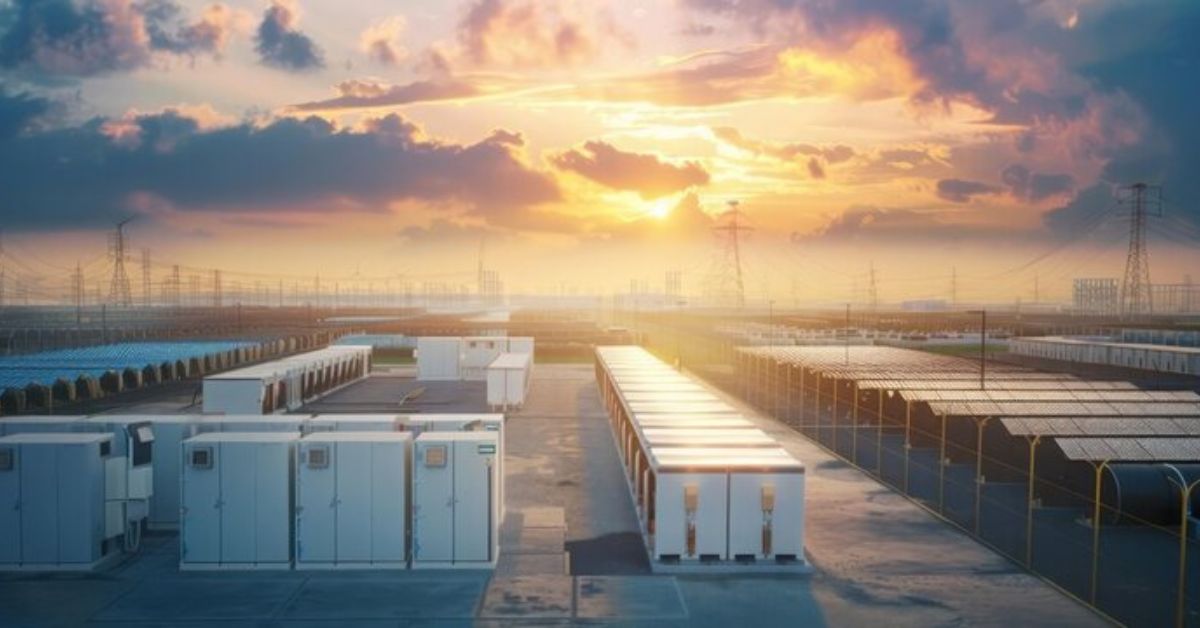
Global data centre capacity is surging, creating intense demand for reliable and flexible power solutions. As Maniesh Khatri, a senior director at commercial bank NORD/LB, explained, energy storage, especially battery energy storage systems (BESS), is becoming a key piece of the energy infrastructure puzzle for developers and financiers alike. However, the business case and financing models for battery storage remain complex amid evolving power needs.
According to Khatri, the rising electricity demand from data centres, particularly those supporting high-performance computing and AI workloads, often outstrips available generation capacity. That imbalance is prompting developers to rethink power arrangements, including how lease terms and utility partnerships affect project finance decisions.
Read: U.S. DOJ Joins Lawsuit Over Race in UCLA Med School
Role of Storage in Power Supply
Energy storage is viewed as crucial in addressing power and energy supply challenges tied to data centre growth. In the U.S., pairing renewable energy sources with storage offers one of the fastest paths to deploying new power capacity, outpacing traditional fossil fuel or nuclear alternatives.
Battery systems, with their sub-millisecond response times, can help manage sudden and extreme fluctuations in power demand, a common characteristic of advanced data centres.
Yet developers and lenders are cautious about relying solely on renewables and batteries to meet the extremely high uptime standards (up to 99.999%) required by many facilities.
Financing Challenges for Merchant Storage Projects
Merchant Revenue Uncertainty
A central issue for battery storage’s role in data centre supply is the revenue model. Some stakeholders are exploring merchant strategies, where a storage facility operates independently in wholesale markets to secure revenue before signing a specific contract with a data centre.
However, Khatri noted that modest price volatility in recent years has limited merchant battery systems’ ability to capture high returns, particularly in markets like Texas’s ERCOT.
Lenders thus typically require at least partial contracted revenue before financing storage projects, as pure merchant risk is still seen as too uncertain. Nonetheless, industry participants are optimistic that creative combinations of contracted and merchant exposure could emerge, offering enough revenue certainty to unlock more investment.