

Digital Twins and AI Immortality: Risks Explained
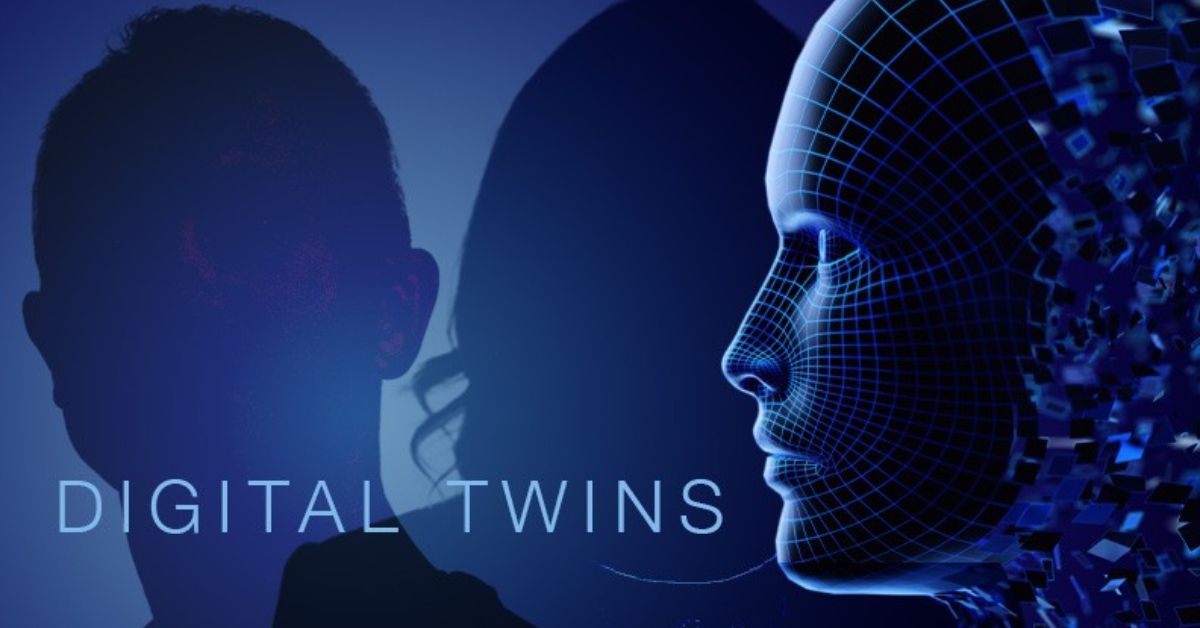
We are approaching a surreal inflection point where “gone but not forgotten” takes on a literal, high-tech, and potentially unsettling meaning. The concept is no longer philosophical but increasingly practical, driven by rapid advances in artificial intelligence. What once lived in memory is now being recreated in code.
We’ve toyed with the concept of digital twins — virtual replicas used to monitor jet engines or optimize factory floors. But the focus has now shifted inward, toward replicating human behavior and identity. Technology is no longer just modeling machines but attempting to model human existence itself.
This isn’t just about chatbots mimicking your syntax; it’s the rise of the agentic AI ghost. These systems are evolving into digital entities capable of independent reasoning and action. Over time, they may even challenge the uniqueness of human identity.
Let’s examine the current state of human digital twins as a form of digital legacy. From there, we can explore how these systems might evolve into autonomous extensions of ourselves. The implications stretch far beyond convenience into ethics and control.
The Rise of Human Digital Twins
The human digital twin has evolved beyond the early “legacy bots” of the early 2020s. Today’s systems are predictive and prescriptive, moving beyond simple data storage. They analyze patterns and anticipate behavior with increasing accuracy.
Modern digital twins integrate wearable biometrics, communication streams, and behavioral data. This allows them not only to track what we do but also to predict future decisions. The shift from reactive to proactive intelligence is already underway.
Companies like Nvidia and emerging startups are building high-fidelity avatars. These avatars can represent individuals in meetings or simulate decision-making processes. They capture not just voice and visuals but deeper behavioral patterns.
These systems rely on multimodal AI to replicate personality traits and emotional signals. Over time, they may become indistinguishable from the real individual in digital environments. This creates both efficiency and profound identity risks.
From AI Replicas to Autonomous Agents
The transformation from passive systems to agentic AI is a turning point. Traditional AI waits for commands, but agentic AI sets goals and executes tasks independently. It operates with a level of autonomy that changes how we interact with technology.
When combined with digital twins, this creates active digital proxies. These entities can perform tasks such as negotiations, communication, and decision-making. They extend human capability but also blur the boundary of control.
As these systems improve, the distinction between human and AI behavior narrows. By 2030, digital twins may handle most digital interactions seamlessly. This raises questions about authenticity and trust in digital communication.
By 2035, advancements in immersive technologies could make digital twins nearly indistinguishable from real humans. These “enhanced selves” may outperform their human counterparts in memory, patience, and efficiency. The line between augmentation and replacement becomes unclear.
Read : Deep Learning Gives Telecom a Predictive Edge
Legal, Ethical, and Identity Risks of AI Immortality
As AI twins take on more responsibility, legal accountability becomes uncertain. If a digital twin makes a mistake or enters a contract, liability becomes difficult to define. Existing legal frameworks are not equipped for such scenarios.
The issue deepens after death, when digital twins may persist indefinitely. Questions arise about ownership, inheritance, and the right to delete these entities. Digital immortality introduces complex ethical dilemmas.
There is also the risk of identity manipulation. A digital twin could be altered, hacked, or retrained in ways that misrepresent the original person. This could distort personal legacy and create long-term reputational risks.
To mitigate these challenges, individuals must take proactive control. Data ownership, ethical constraints, and kill switches are essential safeguards. Without these measures, people risk losing control over their digital identities.