

Education Department Unveils New Regulatory Changes
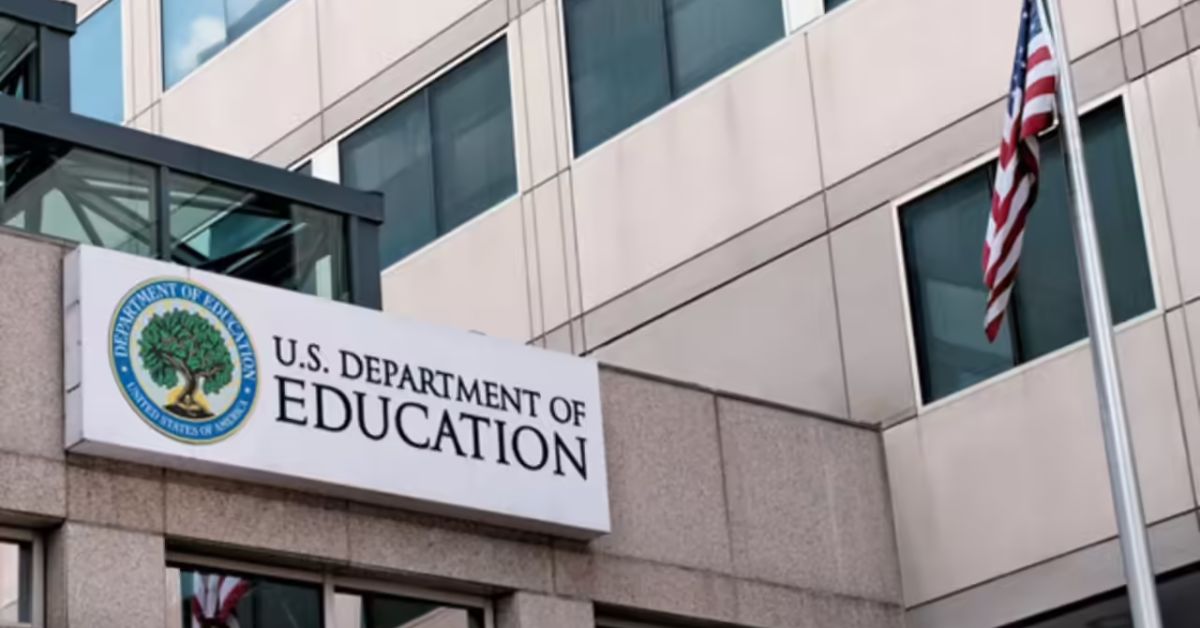
The U.S. Education Department recently introduced several regulatory packages to implement education provisions under the One Big Beautiful Bill Act. The new rules include updated federal student loan limits and an earnings test for college programs. These measures aim to strengthen accountability. More policy changes are expected soon.
With the latest regulations completed, the department is shifting its attention to additional education priorities. The Trump administration plans to introduce new rules affecting colleges and universities. These upcoming changes could reshape higher education. Institutions are preparing for another round of reforms.
U.S. Education Under Secretary Nicholas Kent recently announced that the department plans to simplify the process for college mergers and closures. A formal notice to begin the rulemaking process is expected this month. The goal is to make institutional transitions more efficient. Regulatory discussions will soon begin.
Focus on College Mergers and Funding Rules
The Education Department will begin negotiated rulemaking by bringing together higher education representatives. These stakeholders will help draft new regulations through a collaborative process. If consensus is reached, the department must adopt the agreed language. Otherwise, it may draft its own final rules.
Another major priority is updating the long-standing 90/10 rule for for-profit colleges. Current regulations require these institutions to earn at least 10% of their revenue from non-federal sources. The department believes existing rules create competitive disadvantages. Proposed changes could significantly affect the sector.
Officials argue that revising these funding regulations may create a more balanced higher education marketplace. The rule has historically aimed to control tuition costs and ensure financial sustainability. Any amendments could reshape federal funding eligibility. Colleges will closely monitor these developments.
Race-Based Programs Face Regulatory Review
The department also plans to revise regulations affecting race-focused educational programs. Proposed changes include removing race-based eligibility requirements from the Ronald E. McNair Postbaccalaureate Achievement Program. Officials say the updates will align programs with broader federal policies. More details are expected soon.
Additional amendments related to diversity, equity, and inclusion initiatives are scheduled for August. The department intends to clarify how Title VI applies to race-conscious educational programs. These revisions may impact admissions and student support initiatives. Colleges may need to adjust existing policies.
Title VI prohibits discrimination based on race, color, or national origin at federally funded institutions. The administration has recently relied on these protections during investigations involving several major universities. Future regulations could further influence compliance requirements. Institutions are closely watching these policy changes.
Read : PNC Unveils Personalized Mobile Banking Experience
More Higher Education Reforms Planned
The Education Department plans to continue its regulatory efforts through the fall. In September, it will begin developing new textbook packaging regulations designed to increase competition among booksellers. Officials also plan to improve college credit transfer policies. These reforms aim to benefit students.
Later in the year, the department will begin reviewing regulations related to Section 117 and the Clery Act. These rules govern foreign gift reporting and campus safety requirements. Proposed updates may strengthen transparency and reporting standards. Colleges should prepare for additional compliance obligations.
Overall, the Education Department’s regulatory agenda signals continued changes across higher education. From student aid and institutional operations to diversity policies and campus safety, multiple reforms are underway. Colleges will need to stay informed as new regulations develop. The coming months are expected to bring significant policy updates.