

What You Should Know About Kidney Transplant Recovery ?
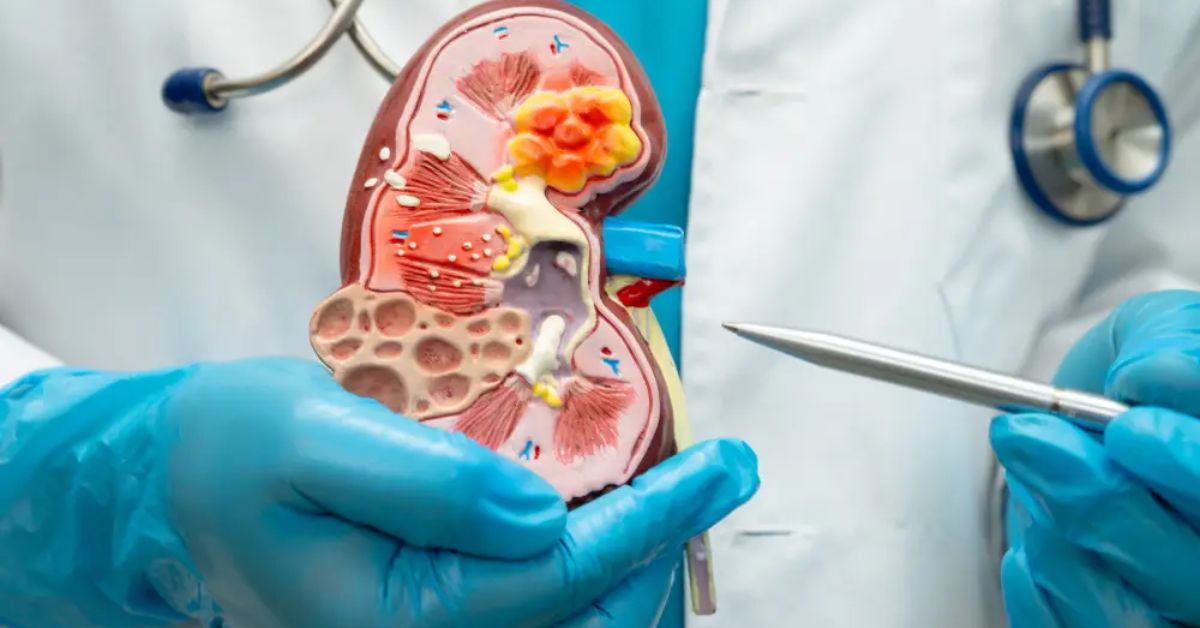
Kidney transplant is widely regarded as one of the most effective long-term treatments for advanced kidney failure. Despite major medical advances, many people still fear the procedure because of common myths and outdated information about surgery, recovery, and life after transplantation.
Many patients assume that kidney transplant surgery is highly risky or that recovery is extremely difficult. In reality, improvements in surgical techniques, donor matching, and post-operative care have significantly increased kidney transplant success rates and long-term survival.
A kidney transplant is a surgical procedure where a healthy kidney from a donor is placed into a recipient without removing the failed kidneys. The new kidney takes over the essential functions of filtering waste, balancing fluids, and regulating blood pressure.
For eligible patients, a kidney transplant often provides a better quality of life than long-term dialysis. Many recipients return to work, travel, exercise, and enjoy a more active lifestyle after recovery.
Understanding Kidney Transplants and Their Benefits
What Is a Kidney Transplant?
Healthy kidneys remove toxins from the bloodstream and maintain the body’s fluid and electrolyte balance. When kidney function declines severely, waste products build up, leading to potentially life-threatening complications.
A kidney transplant offers a long-term solution by replacing lost kidney function with a healthy donor organ. Compared to lifelong dialysis, transplantation often improves overall health, energy levels, and life expectancy.
Unfortunately, kidney transplant myths continue to create unnecessary fear. Many people rely on anecdotal stories or misinformation instead of seeking guidance from qualified medical professionals.
Modern transplant care has evolved dramatically over the past two decades. Better immunosuppressive medicines, advanced surgical procedures, and improved infection control have made kidney transplantation safer and more successful than ever before.
Common Kidney Transplant Myths vs Facts
Myth 1: Kidney Transplant Surgery Is Extremely Dangerous
Every surgery carries some level of risk, but kidney transplantation is now a well-established and routinely performed procedure. Thorough medical evaluations and advanced surgical care help reduce complications and improve outcomes.
Myth 2: Patients Cannot Live a Normal Life After Transplant
This is one of the most common misconceptions. Most recipients experience better energy levels, greater mobility, and improved daily functioning. With proper medication and follow-up care, many people resume work, travel, and physical activities.
Myth 3: Older Adults Cannot Receive a Kidney Transplant
Age alone is not a deciding factor. Doctors assess overall health, heart function, infection risk, and physical fitness before determining eligibility. Many older adults successfully undergo transplantation.
Myth 4: Dialysis Is Better Than a Kidney Transplant
Dialysis is an essential treatment, especially while waiting for a donor kidney. However, medically eligible patients often achieve better long-term survival and quality of life through transplantation.
Myth 5: Kidney Donors Cannot Live Healthy Lives After Donation
Living kidney donation follows strict safety guidelines. Donors undergo extensive medical screening, and most continue to lead healthy, active lives with one functioning kidney.
Who Needs a Kidney Transplant and What Is the Recovery Like?
A kidney transplant may become necessary when the kidneys can no longer remove waste effectively. Common causes of kidney failure include diabetes, high blood pressure, polycystic kidney disease, glomerulonephritis, and autoimmune kidney disorders.
Warning signs of advanced kidney disease may include persistent fatigue, swelling in the legs or face, nausea, reduced urine output, breathlessness, and poor appetite. Early consultation with a nephrologist can help patients explore treatment and transplant options before complications worsen.
Before surgery, patients undergo a comprehensive medical evaluation that includes blood tests, imaging studies, heart assessments, infection screening, and donor compatibility testing. These steps help ensure the procedure is as safe and successful as possible.
Kidney transplant recovery begins immediately after surgery. Patients usually remain in the hospital for several days while doctors monitor kidney function and overall health. Anti-rejection medications are started early, and strict adherence to treatment plans is essential for long-term transplant success.
Read : Why Data Scientists Must Master LLMs and AI Agents ?
Conclusion
A kidney transplant is more than a surgical procedure—it is an opportunity for many patients with advanced kidney failure to regain independence and improve their quality of life. While myths and misconceptions remain common, modern transplant medicine has made the process safer and more effective than ever before.
Understanding the facts about kidney transplantation, recognizing the warning signs of kidney disease, and seeking timely medical advice can help patients make informed decisions. For eligible individuals, a successful kidney transplant often offers better long-term health outcomes and a brighter future than lifelong dialysis.
FAQs
1. What is a kidney transplant?
A kidney transplant is a surgical procedure in which a healthy donor kidney is placed into a person whose kidneys are no longer functioning properly.
2. Is kidney transplant better than dialysis?
For many medically eligible patients, a kidney transplant offers better quality of life, greater independence, and improved long-term survival compared to long-term dialysis.
3. What are the warning signs that someone may need a kidney transplant?
Common symptoms include fatigue, swelling, nausea, reduced urine output, breathlessness, poor appetite, and advanced chronic kidney disease diagnosed by a specialist.
4. Can people live a normal life after a kidney transplant?
Yes. Many recipients return to work, travel, exercise, and participate in normal daily activities after recovering and following their prescribed treatment plan.