

Universities Lose Trust, Now Taking Steps to Rebuild
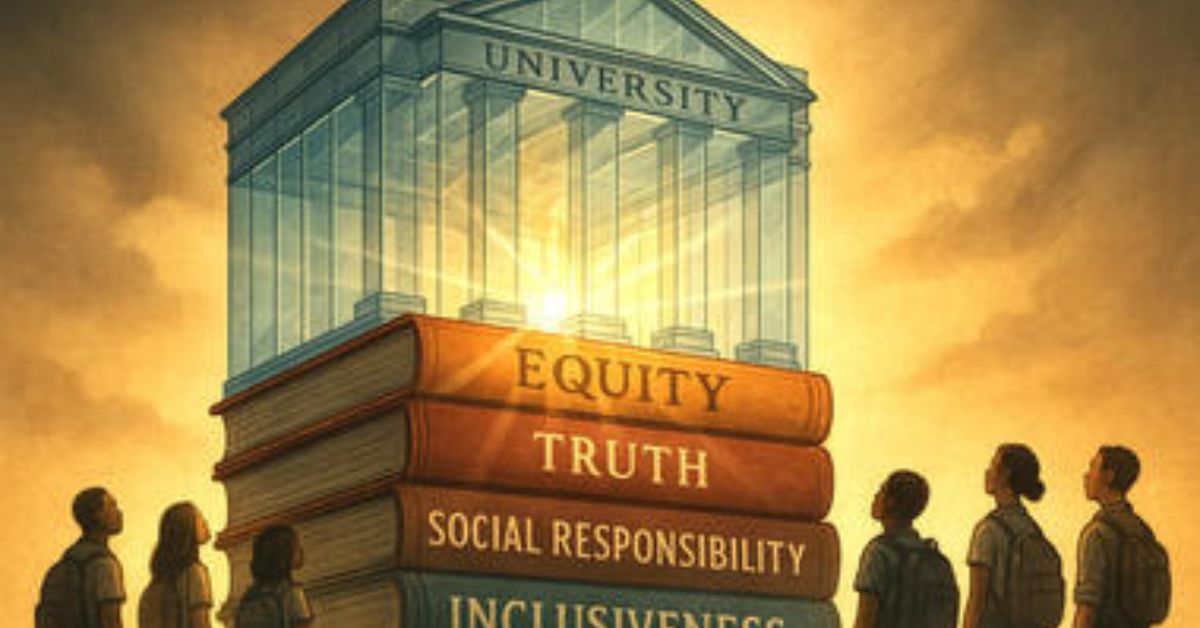
The Hamas terrorist attack triggered a wave of self-reflection across universities. Institutions began reassessing their policies, campus culture, and response to sensitive issues. This moment exposed deeper concerns within higher education.
Jewish students at Yale reported harassment, prompting an investigation by the Trump Education Department. These incidents highlighted growing tensions on campuses. They also raised concerns about safety and inclusivity.
A new report from Yale University sheds light on declining public trust in higher education. It outlines the responsibility universities must take to address these concerns. The findings extend beyond a single institution.
The report serves as a starting point for broader reform. It emphasizes the need for universities to rebuild credibility. The lessons apply to institutions across the country.
Declining Trust in Higher Education Institutions
In recent years, issues like antisemitism and restrictions on free speech have gained attention. Many campuses face criticism for ideological conformity. These concerns have contributed to declining public confidence.
At the same time, rising tuition costs have added pressure. Inflation-adjusted fees have doubled over the past 30 years. This has led many to question the value of higher education.
As costs rise, the return on investment becomes uncertain. Families and students are reconsidering college decisions. This shift is reshaping perceptions of higher education.
The Yale report, released on April 10, reflects a year-long study. A committee of professors examined the causes of declining trust. Their findings highlight significant systemic issues.
Key Factors Driving the Trust Crisis
The report cites data showing a sharp decline in confidence. A Gallup poll reveals trust dropped to 36% in 2024. This is a significant fall from 57% a decade earlier.
A Pew Research Center survey found that 70% of Americans believe higher education is on the wrong track. These numbers indicate a widespread concern. Public sentiment continues to shift negatively.
The committee identified three main factors behind this decline. These include rising education costs, admissions concerns, and campus culture issues. Each factor contributes to the erosion of trust.
Concerns about free speech, political bias, and internal policies also play a role. Issues like grade inflation and administrative expansion add to the problem. Together, these challenges weaken institutional credibility.
Read : Digital Twins and AI Immortality: Risks Explained
Campus Controversies and the Path to Reform
Recent political and social developments have intensified scrutiny. Policies targeting antisemitism and diversity programs have sparked debate. Universities face pressure to adapt quickly.
The Trump administration’s stance on federal funding has influenced institutional decisions. Some campuses have introduced changes in response. However, long-term solutions remain uncertain.
The events following the October 7, 2023 attack further exposed campus divisions. Reports of student reactions and leadership responses drew national attention. These incidents raised questions about university preparedness.
The Yale report calls for a return to core academic values. It emphasizes preserving knowledge and encouraging open dialogue. Rebuilding trust will require meaningful and sustained reform efforts.